Friday, December 28, 2012

'The Book Of Gin' Distills A Spirited History

Workers pose for a photo at the Hoboken de Bie & Co. gin distillery in Rotterdam, Netherlands, circa 1900. By the end of the 19th century, cocktail culture had helped make gin a more respectable spirit.

Workers pose for a photo at the Hoboken de Bie & Co. gin distillery in Rotterdam, Netherlands, circa 1900. By the end of the 19th century, cocktail culture had helped make gin a more respectable spirit.

Unlike a good martini, the story of gin isn't smooth; it's long, complex, sordid and, as Richard Barnett has discovered, it makes for tantalizing material. Barnett's newly published The Book of Gin traces the liquor's life, from its beginnings in alchemy to its current popularity among boutique distillers.

Book of Gin
The Book of Gin

by Richard Barnett

Hardcover, 275 pages purchase

close

Purchase Featured Books

  • The Book of Gin
  • Richard Barnett
  • Amazon
  • Independent Booksellers
  • Nonfiction
  • History & Society

More on this book:

  • NPR reviews, interviews and more

Barnett joins NPR's Renee Montagne to discuss the medicinal origins and changing reputation of gin.


Interview Highlights

On gin's medicinal origins

"The whole idea of distilling spirits really comes out of the tradition of, strangely enough ... Arabic alchemy. If you went to Baghdad, of all places, in the 8th or 9th centuries, you'd have found an absolutely thriving culture of research, people trying to investigate the nature of the universe and study it in different ways. Distillation became a really powerful technique for doing that. And a lot of the alchemists think that when you distill wine or beer or spirits in some kind of way, what you end up with is almost the human life force. You get people calling it aqua vitae, the water of life. And then when this liquor starts to be mixed with juniper berries juniper has had a very long medical history, especially for the problems of childbearing. So you have these very potent medicinal substances coming together in gin, and for a long time it was thought of as medicine."

On why gin developed a nasty reputation in 17th-century England

"Well, it all comes down to high politics. In 1689 in [England] we have what's called the Glorious Revolution: The old Catholic King James II is booted out, and a Protestant king, William of Orange, who's Dutch, is brought in. Now, when William of Orange comes to the throne, he knows that he's dependent upon a whole lot of aristocratic supporters. Now these people, in turn, are dependent for their income on the massive agricultural estates they've got. So William knows that if he wants to keep his throne, what he has to do is keep the price of grain nice and high. Now one of the first ways he tries to do this is to deregulate British distilling. Pretty much anybody can start distilling; it opens up a new market for grain; gin suddenly becomes incredibly cheap. Anybody can make it, probably anybody can afford it, and this is what starts to push its reputation down."

William Hogarth's Gin Lane (1751) was part of a campaign to reduce gin consumption in England. Enlarge image i

William Hogarth's Gin Lane (1751) was part of a campaign to reduce gin consumption in England.
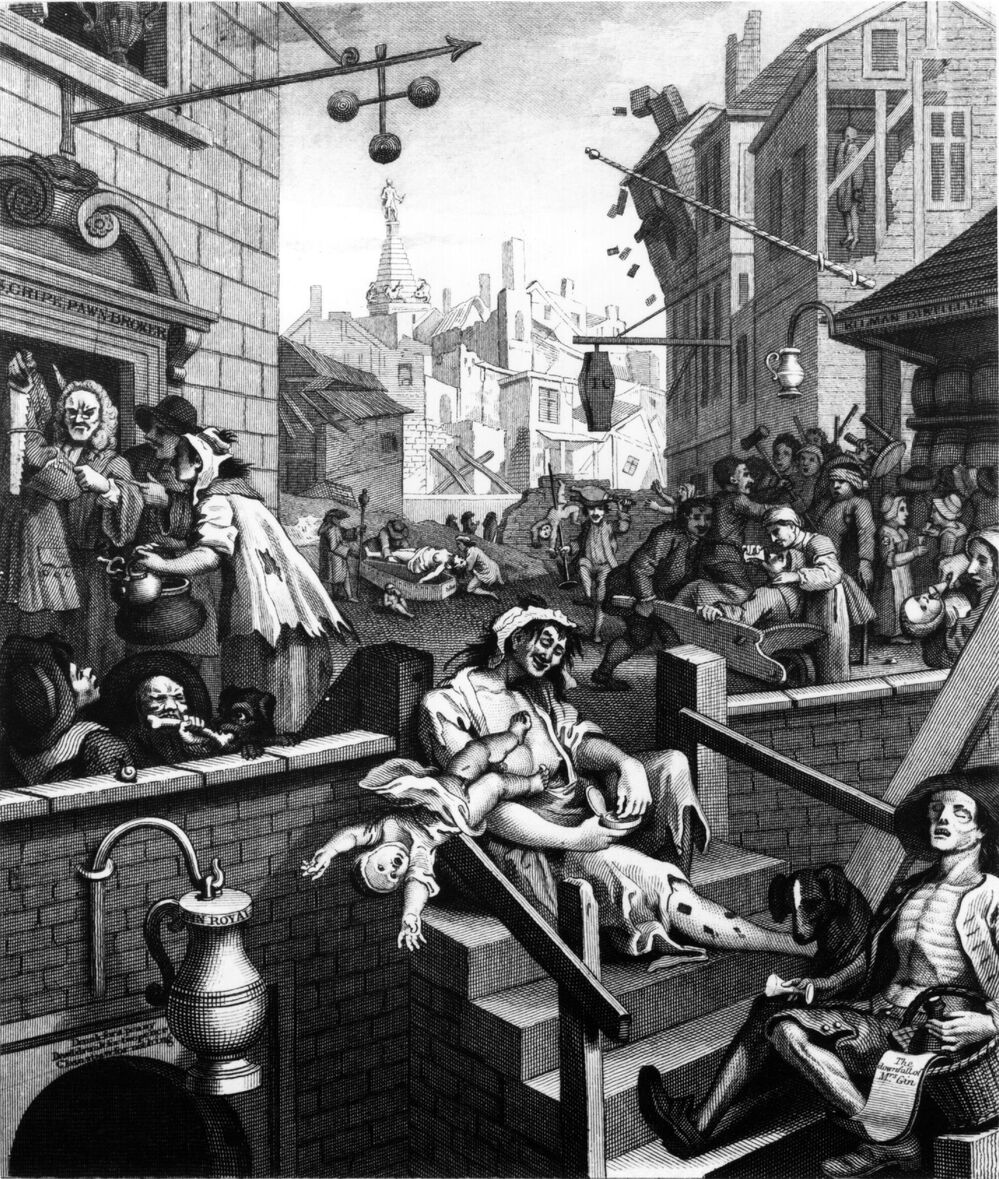
William Hogarth's Gin Lane (1751) was part of a campaign to reduce gin consumption in England.

William Hogarth's Gin Lane (1751) was part of a campaign to reduce gin consumption in England.

On the 18th century gin craze

"This is a period between about ... 1720 and 1750. There's a huge amount of public disquiet, not only about the low price of gin, but the social effects that this is having. Probably the most famous representation of this is the great English artist William Hogarth produces an engraving called Gin Lane, which is a terrible image of the social breakdown that's being caused by gin ... In fact, if you wanted a very good modern parallel for the way that gin was regarded in the 18th century, crack is probably a very, very good one. And Gin Lane really does capture this in appallingly gruesome detail. All sorts of images of death and social breakdown and madness being caused by this spirit."

On what finally brought gin to respectability

"Firstly, we should say ... a very important American invention, possibly one of the great American cultural contributions to the world, is the invention of the cocktail. Through the 19th century, first of all Americans, then Europeans, get the habit of drinking spirits mixed up with the whole happy hour of other things: bitters and tonics and all sorts of things. And that helps to make gin more respectable. It's just one more ingredient in the cocktail cabinet.

"I think the second thing that helps to make gin more respectable is the growth of the gin and tonic. If you imagine colonists from Europe going out to the tropics in the 19th century, one of the biggest problems they face is malaria terrible, terrible disease, kills many thousands of Europeans, and of course many hundreds of thousands of Africans in this period. Now, at the time, there's only one effective treatment, and that's a drug which in Britain is called quinine ... It's derived from the bark of a tree that grows in South America. Now the trouble with quinine is it's incredibly bitter; it's like chewing coffee beans. So in the 19th century lots of companies start producing more palatable ways of taking your daily quinine this is tonic water.

"Now, British colonists in the late 19th century discover that tonic water and gin sort of complement one other. They've both got this rather sort of refreshing botanical kind of flavor. So the British start drinking the gin and tonic and making it the distinctive drink of British colonials. And they bring this habit back to Britain in the, I suppose, in the 20th century. So those are the two things that start to make gin a much more respectable prospect."

On the gin-based cocktails pink gin and Kublai Khan No. 2

"Well, pink gin again speaks to this rather wonderful global history that gin has. Pink gin is a combination of gin and bitters. Now, bitters were invented essentially in the 18th century as a kind of remedy for seasickness. So again, you've got this idea of sort of global trade and exchange; people going all around the world taking gin with them and then using it to sort of mix up their own home remedies. And pink gin became the classic drink of the British Royal Navy.

Related NPR Stories

"Now, the Kublai Khan No. 2 is a rather different prospect. Whether this was actually made is not something I think we're sure of. We find this in the writings of the great occultist, Aleister Crowley. Crowley tells us in his writings that he would go to a certain pub in Bloomsbury in London and order what he called a Kublai Kahn No. 2, which he tell us was a mixture of gin and laudanum. Now laudanum is essentially the earliest version of a sort of general painkiller. And it's opium, so not far off heroin, dissolved in sherry. So if you imagine a kind of heroin martini, this is what Crowley tells us he was drinking."

On the effects of American Prohibition

"In the U.S., I think, Prohibition itself has a strange and rather paradoxical role in making gin a more respected and a more democratic kind of drink. If you think about the speakeasy, it's a very although it's an illegal space it's a very democratic space. The speakeasy is one of the first places in Western culture where you get men and women drinking together for the same time. You get social boundaries being crossed. You even very rarely at this time in American culture get racial boundaries being crossed, as well. So, the speakeasy starts to help to make the cocktail and the ingredients that go into a cocktail sort of respectable prospects, as it were."

On the renaissance of gin in the last several years

"Now is probably the best time in the last 500 years to be drinking gin. I think you've got a better quality and certainly a much wider diversity of producers and flavors going on. I think it really started in the I think it would have been the very late '80s, when Bombay Sapphire appeared on the scene. For about 20 or 30 years, gin had really sort of been in decline. It was becoming a sort of more industrial, more standardized product. But with the appearance of Bombay Sapphire, you get the idea of a boutique gin. And that's kicked off an entire sort of renaissance in the production of gin. Suddenly, you've got many, many smaller producers setting up on a kind of boutique craft level, producing their own distinctive spirits."


'Dirt Candy': A Visual Veggie Cookbook With A Memoir Mixed In

This summary is not available. Please click here to view the post.

Saturday, December 22, 2012

Survived The Mayan Apocalypse? Here Come The Radish People

While the rest of the world was in a tizzy over the Mayan apocalypse that wasn't, the residents of Oaxaca, Mexico, were busy preparing for the very real Coming of the Radish People.

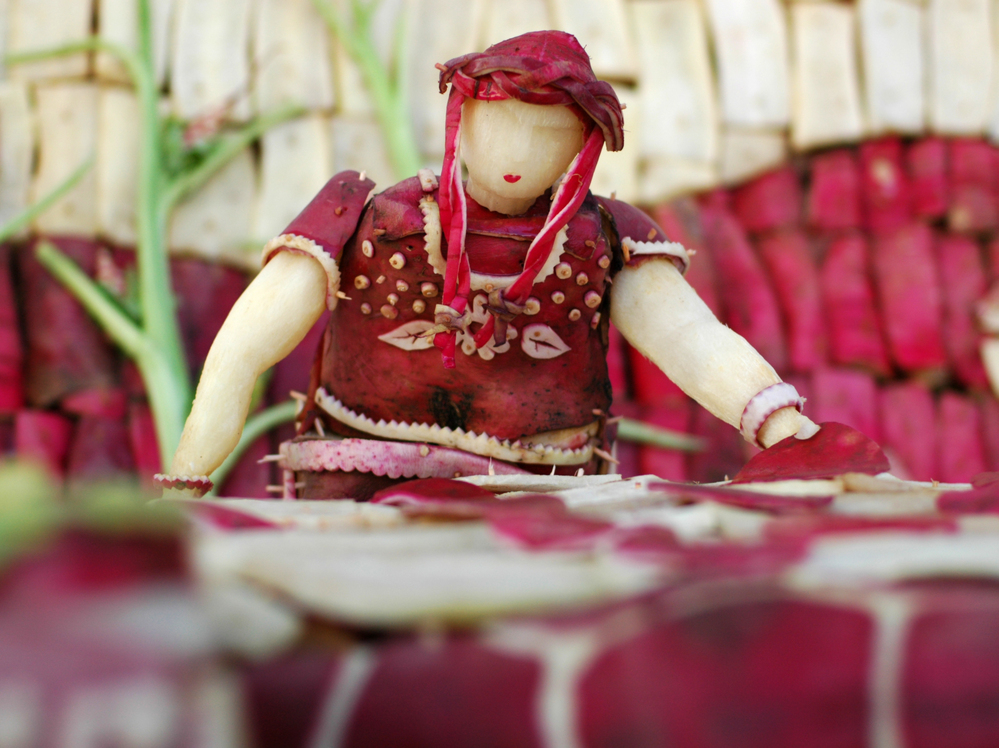
This radish woman appears to be making tortillas. Enlarge image i
This radish woman appears to be making tortillas.

This Sunday, they will descend upon Oaxaca's zocalo, or main plaza: giant root vegetables carved into human figures and other vivid forms.

Don't panic. This isn't some revenge-of-the-radish scenario. It's a sculpture contest. La Noche de Rabanos Night of the Radishes is a Christmastime Oaxaca tradition that marks its 115th anniversary this year.

Every year on Dec. 23, artisans from around the region show up early in the morning to set up stalls in the plaza and put the finishing touches on elaborate sculptures carved from radishes not the petite, round ones we're used to in this country, but big, heavy radishes some as big as 6 pounds and 20 inches long. More than 100 people have signed up to compete in various categories in this year's contest, according to the Mexican daily El Universal. They'll be working with some 10 tons of raw material.

The crucifixion, as carved in radishes Enlarge image i
The crucifixion, as carved in radishes

"It's sort of the spirit of the 4-H fair. You know, who has the biggest pumpkin or the biggest pig," says Tanya Kerssen, a researcher with Food First who has led food heritage tours of Oaxaca.

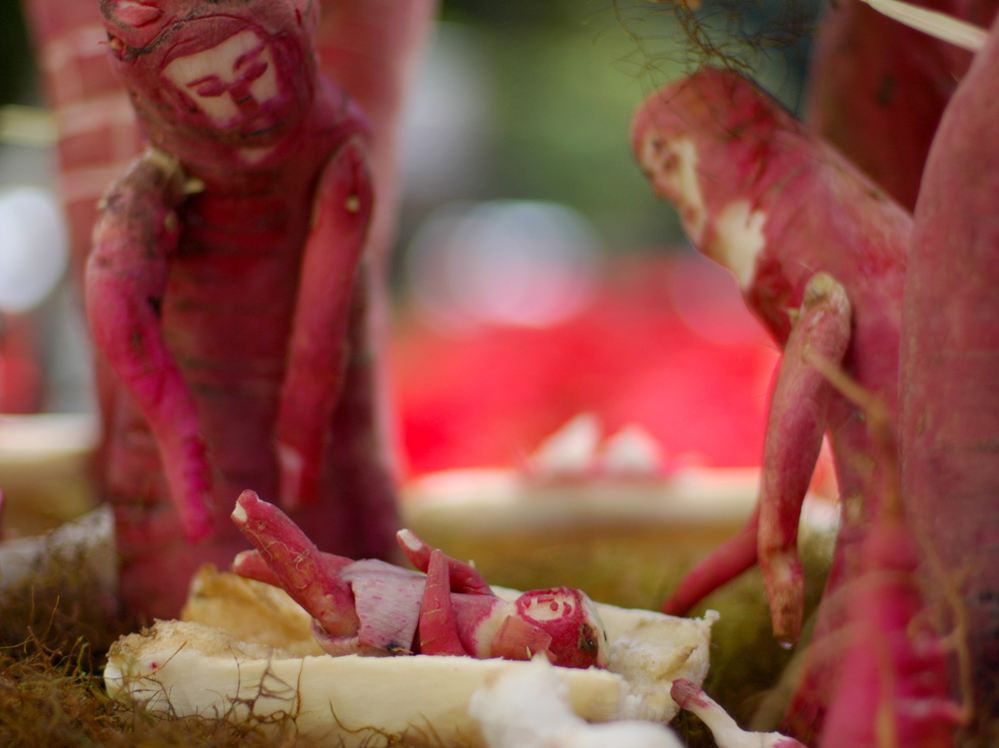
Given the timing, a lot of the sculptures are religiously themed: You'll find plenty of nacimientos, elaborate manger scenes depicting the birth of Jesus a popular tradition in Latin America.

A radish nativity scene. Enlarge image i
A radish nativity scene.

But there are also some distinctly secular visions. (Hmm ... Is that you, Mr. Bill?)

Anyone else think this radish-man looks like Mr. Bill?

So how did carving up an edible root native to China become a beloved Oaxaca tradition?

"The whole thing began with the Spanish, mostly the priests," says Iliana de la Vega, the chef-owner of San Antonio's El Naranjo Restaurant, who has deep family ties to Oaxaca and has documented Mexican foodways.

When Spanish missionaries arrived in Oaxaca in the 16th century, they were recruiting converts not just to Christianity but also to the crops they'd brought along including radishes, de la Vega says. As lore has it, the indigenous locals already had a pretty strong wood-carving tradition, so the Spanish said, hey, why not carve these radishes?

Eventually, the story goes, ravishing radish displays became a common marketing ploy a way for farmers to catch the eyes of shoppers browsing stalls at the market in the town plaza. Oaxaca's mayor formalized the exhibitions in 1897, and cash prizes followed.

These days, the Night of the Radishes is serious business. Contestants register months in advance, and local authorities oversee the growing and harvesting of the radishes to make sure no one gets an unfair advantage. And there's serious money at stake: Last year's winner reportedly took home 15,000 pesos, or roughly U.S. $1,173 at the current exchange rate.

You might still fetch a little cash if yours loses people like to buy them and take them home for holiday centerpieces.

Over the years, the event has become a major draw for tourists from around the world. When she was a little girl, de la Vega recalls, she and her family would run down to the market, check out the stalls and head back. "Now," she notes, "you've got to wait in long lines."


2 months 'til doomsday? Mayan apocalypse set for Dec. 21 - msnbc ... msnbc.com technology & science ... Humanity has brought more destruction and pain upon itself than any celestial firestorm could ever inflict upon us. Mesoamerican Long Count calendar - Wikipedia, the free encyclopedia The Mesoamerican Long Count calendar is a non-repeating, vigesimal (base-20) and base-18 calendar used by several Pre-Columbian Mesoamerican cultures, most notably ... 2012 and the Zombie Apocalypse Undead Report I'll give you the 2012 thing, she said, but a zombie apocalypse? Come on, you don't really believe that do you? The 2012 thing - if you're reading Survive 2012: Ancient Mayan Doomsday, Pole Shifts and Evolution Information about the Mayan calendar, pole-shifts, Nazga lines and other archaeologically based theories why catastrophes are to be expected in 2012. SURVIVE 2012 Survive the End of the World Plan in advance for every single possible circumstance to survive 2012. If nothing at all occurs, Fantastic! But suppose it does and this was your warning... Coming October 21 Apocalypse 2011 Signs of the Apocalypse Extreme Heat and Drought. The United States is currently being plagued with extreme heat, which is causing terrible droughts across the nation ... 2012 phenomenon - Wikipedia, the free encyclopedia The 2012 phenomenon comprises a range of eschatological beliefs according to which cataclysmic or transformative events will occur on 21 December 2012. This date is ... CDC - Blogs - Public Health Matters Blog Preparedness 101 ... CDC - Blogs - Public Health Matters Blog Preparedness 101: Zombie Apocalypse - Sharing our stories on preparing for and responding to public health events THE END OF THE WORLD The sacred Aztec calendar is properly called the Eagle Bowl. It represents the solar deity Tonatiuh. The amazingly accurate calendar has been in use in various ... 2012: Who Will Survive 2012 - From Roland Emmerich, director of THE DAY AFTER TOMORROW and INDEPENDENCE DAY, comes the ultimate action-adventure film, exploding with groundbreaking special ...

When Life Gives You Snow, Make Snow Cream

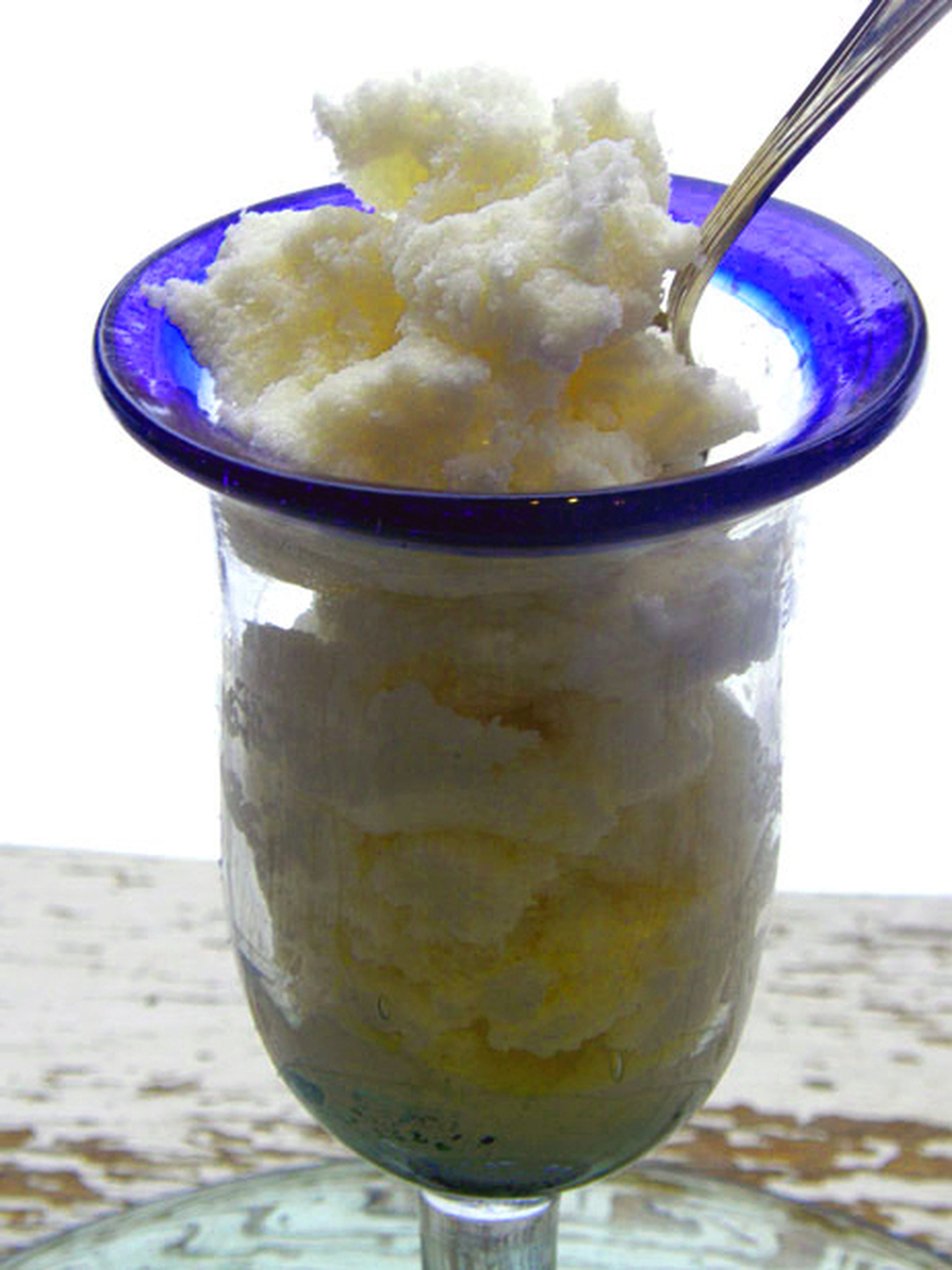
Snow cream, ice cream made from fresh snow, is a bit of a tradition in North Carolina, where snowfalls aren't common. Enlarge image i

Snow cream, ice cream made from fresh snow, is a bit of a tradition in North Carolina, where snowfalls aren't common.

Snow cream, ice cream made from fresh snow, is a bit of a tradition in North Carolina, where snowfalls aren't common.

Snow cream, ice cream made from fresh snow, is a bit of a tradition in North Carolina, where snowfalls aren't common.

There's snow across much of the country this weekend. In eastern North Carolina, where it doesn't snow a lot, snowflakes are an occasion for some folks to flock outside to scoop up what falls and make what's been dubbed "snow cream."

That's ice cream made from fresh snow; but you have to mix it fast, before it melts.

Chloe Tuttle runs a bed and breakfast in Williamston, N.C., and she's a bit of an expert on snow cream. She tells Weekend Edition Saturday host Scott Simon that trick is to use the soft, freshly fallen snow.

"With that you mix heavy cream, sugar and vanilla and stir it until it's soft," Tuttle says. "It tastes like homemade ice cream, but very special because you can only get it once a year."

You can make your own batch of snow cream this year using the recipe below. It doesn't necessarily have to be snow from the country, but just be sure that it is fresh and clean.


Snow Cream Recipe

  • 1/2 to 3/4 cup cream
  • 4 Tablespoons sugar
  • 1 teaspoon vanilla
  • 1 egg (optional)
  • 1 bowl of light, clean snow (6-8 cups)

Friday, December 21, 2012

Drought, Economics And Your Holiday Feast

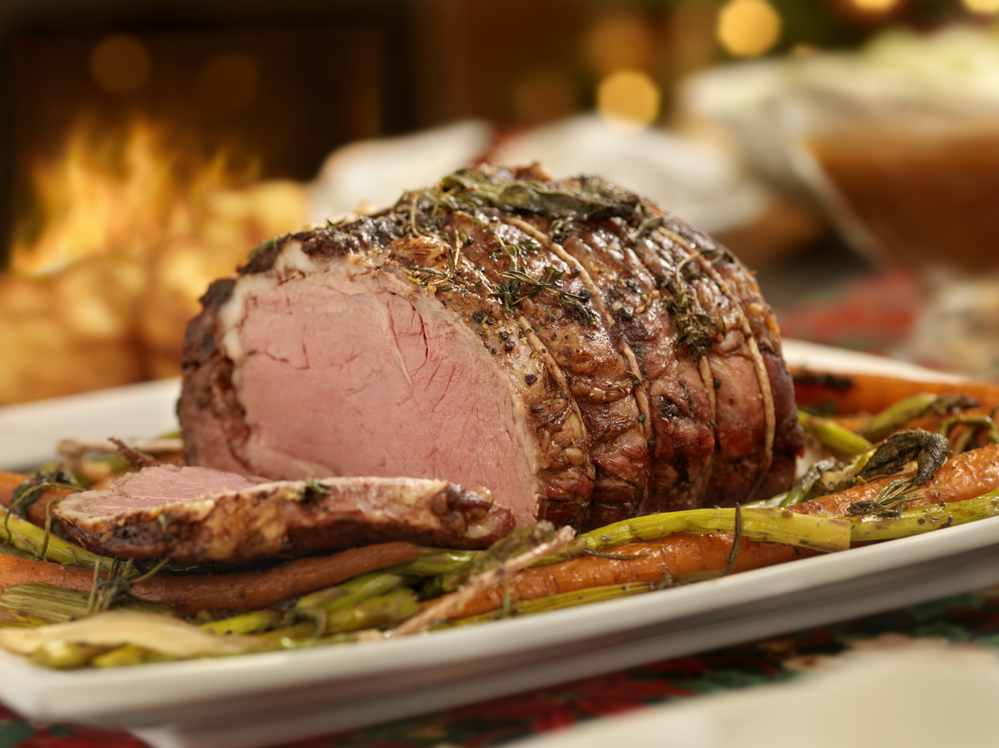
Think your prime rib holiday dinner is more pricey this year? You're right. But maybe not for the reason you think. Enlarge image i

Think your prime rib holiday dinner is more pricey this year? You're right. But maybe not for the reason you think.

Think your prime rib holiday dinner is more pricey this year? You're right. But maybe not for the reason you think.

Think your prime rib holiday dinner is more pricey this year? You're right. But maybe not for the reason you think.

Nobody really wants to think about economics, the famously dismal science, while sitting down at a table loaded with love and calories. Like it or not, though, supply and demand drive food production and set the price of dinner.

So, in a season of feasts, what are the business stories on your holiday menu?

The big one is last summer's drought and its slow, rolling impact on food prices. If you recall, the Midwest suffered through one of the worst droughts in half a century. Corn yields fell to a level last seen in the mid-1990s. With corn in short supply, prices for animal feed spiked. There were predictions that pork, poultry and beef producers would go out of business, and consumers would see a shortage of meat.

So far, most of those fears have not come true. Poultry and pork producers seem to be riding out the crisis. Data collected by the U.S. Department of Agriculture don't show any major cutback in production, and prices are stable although that still could change in a few months.

Beef prices, on the other hand, did hit new records in November. But industry economists say you can't blame the great drought of 2012. It's too soon. The cycle of beef production, from breeding to slaughter, takes so long that today's prices reflect decisions that beef producers made a couple of years ago. According to Steve Meyer, president of Paragon Economics, we're paying more for beef today because of two things: a drought in 2011 that hit Texas and Oklahoma, and a long-term rise in corn prices that began back in 2008. Considering these time lags, it's quite likely that this year's drought will influence the supply (and price) of beef for at least another year or two.

If you're pulling out butter and milk for baking, though, or laying out a spread of cheese, you're getting closer to the drought's real impact. High feed prices have hit dairies hard, especially in California. Many milk producers are sending cows to slaughter, milk production is falling, and prices are rising.

Yet even here, economic forces push in complicated ways, and the drought is only part of the picture. Dairy prices aren't much higher than last year, but for different reasons. Last year, it was because of rising demand, in foreign markets, for U.S. cheese. This year, it's because U.S. farmers are going out of business.

It would be too bad to end on such a dreary note, so let's turn our attention briefly to another holiday staple that's making a stirring comeback: sweet potatoes.

U.S. consumption of sweet potatoes hit an all-time high way, way, back in the 1930s, then went into a long, slow decline, bottoming out in the 1980s. But now the sweet potato is back. Americans are eating twice as much of this vegetable as they were 20 years ago. The reason? Sweet potato fries. This vegetable is no longer just a holiday staple; it's claimed a spot in the real centerpiece of the American diet: the snack.

For more on the traditions and costs of our favorite holiday foods, check out my radio story by clicking on the listen link above.


Drought and ethanol: How Congress mandates and the EPAs new ... Drought damage to a farm near Goreville, Ill. Photograph by Scott Olson/GettyImages Every day that the drought continues garroting the American Midwest ... Drought 2012 and its effects on all of us - Weather Wisdom ... The summer of 2012 across much of the United States is going to be remembered for heat, but mostly for a lack of water. This is especially true in the ... Grain prices soar as drought impact deepens - Economy Watch on ... The worst American drought in more than half a century is driving up grain prices and deepening worries about global food shortages. With mu... U.S. Drought Means Fall Foliage In Limbo For Oklahoma And Arkansas OKLAHOMA CITY (AP) Summer-long drought conditions that have plagued Oklahoma and Arkansas have left in limbo the usual explosion of fall foliage colors ... UNL Agricultural Economics Banking and Finance Scholarship Recognition Dinner. Department of Ag Economics students were recognized by the Nebraska Bankers Association (NBA) and the University ... The 2012 drought will dent farm profits and push up food prices THE drought of 2012 started innocently enough, with a little less snow in the winter and a pleasantly early start to spring. But as the summer has rolled on a string ... Farmers Abandoning Hundreds Of Donkeys Due To Severe Drought ... With pastures withered from a lingering drought, farmers in Texas and northwest Louisiana have abandoned donkeys by the hundreds, turning them into wandering refugees ... Expect Pricier Holiday Treats This Year - Real Time Economics - WSJ This years drought is promising to make many of those favorite holiday treats a bit pricier. The prices of apples and apple cider, an October staple ... Economic Impact Of Drought: Midwest Businesses Suffer At The Hands ... OMAHA, Neb. (AP) The ongoing drought, combined with global economic turmoil, is hurting business in nine Midwest and Plains states and boosting worries ... Business News, Personal Finance and Money News - ABC News Find the latest business news on Wall Street, jobs and the economy, the housing market, personal finance and money investments and much more on ABC News

A Pie-Making Encore: Start With The Perfect Recipe, Serve With Love

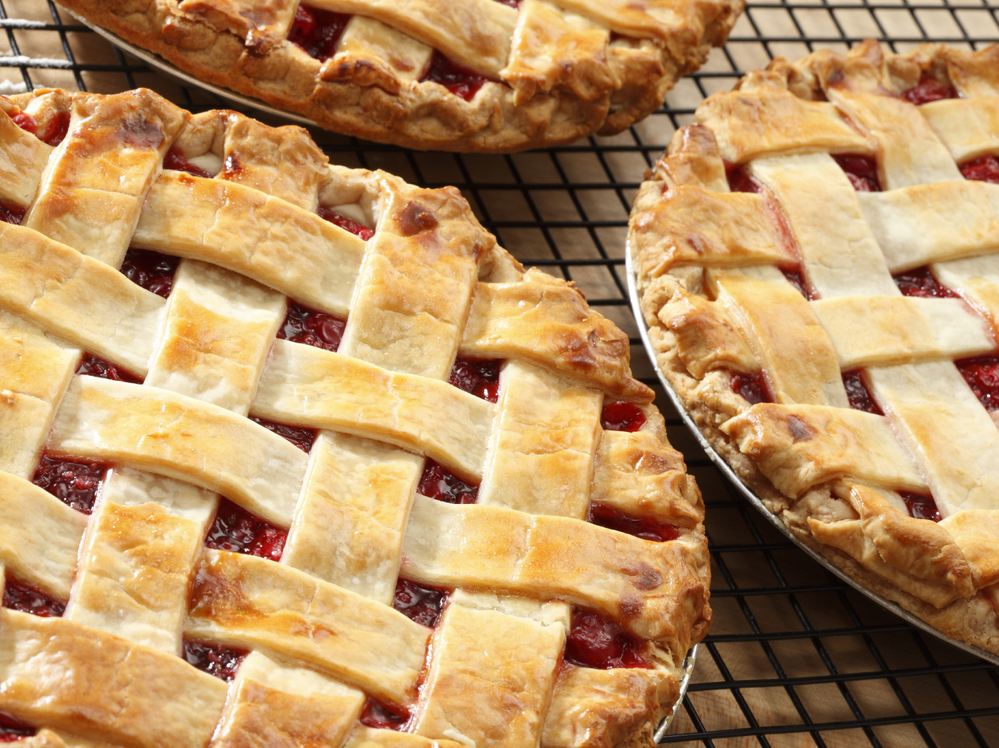
The foundation of a good pie starts with the crust. Enlarge image i

The foundation of a good pie starts with the crust.

The foundation of a good pie starts with the crust.

The foundation of a good pie starts with the crust.

It's high season for pie-making. And when we came upon this touching story about a bunch of women gathering to bake fresh apple pies for the people of Newtown, Conn., it warmed our hearts here at The Salt. Truly.

We agree, there is great comfort in baking. And amen to blogger Suzi Banks Baum, who longing to reach out to the grief-stricken community of Newtown served up kindness as part of a pie mission.

Earlier this year, I overcame my fear of making pie, and in doing so I grew closer to my mom and the memory of my beloved grandmother.

So, if you're planning to bake this week, I bid you to put away the rush of the holidays and try to move, as Banks Baum wrote, "at the Pace of Pie."

Here's a bit from the story I wrote back in July, when I took a pie-making class at the Culinary Institute of America, the nation's premier cooking school, in Hyde Park, N.Y. There I learned the foolproof pie crust formula that chef George Higgins teaches his students. "It starts with 3, 2, 1," he explains.

That's 3 parts flour, 2 parts fat (butter), 1 part liquid. We've laid it out for you in pictures here, to make it easy. And we also share his family's impossible-to-resist blueberry pie recipe that is made with a flaky crust.

But it takes just a bit more than that.

Higgins says a successful baker likes precision. So be sure to measure accurately. Then, of course, there's the technique.

The biggest mistake I made and this is a pitfall for lots of newbies was overworking the dough. Higgins made me toss out my first attempt and start over! Less is more. Higgins taught me to handle it just enough to form the dough into a ball. (Kneading is for bread, not pie crust!) It's supposed to look like it's barely holding together.

Here are some other pastry chefs' tips to avoid disaster:

Your butter should be firm, cold and chunky. Ryan Westover, the pastry chef at Poste in Washington, D.C., explains that the chunks of cold butter will slowly release steam as the pie bakes. And this is important: "By releasing steam incrementally, you give the starches and gluten time to form a lattice, or a sort of balloon," he says. And this holds the steam in.

This is how a good pie crust develops its rich, delicate layers of wonderful texture and flavor, Westover says.

Additional temperature tips come from Theresa Souther, a pastry chef and head of the Professional Pastry Arts Program at L'Academie de Cuisine, a culinary school in Bethesda, Md.

She recommends putting ingredients, including the flour, in the refrigerator or freezer for 30 to 60 minutes before you begin.

And be sure to use ice water to mix the dough. "Cold temperatures help minimize gluten development," she explains. And if you have too much gluten, you end up with a chewy, rubbery crust.

Also, she says, let the dough rest in the fridge after you mix it and before you try to roll it and shape the pie. Cold dough is usually easier to roll and handle.


Old Fashioned Pumpkin Pie Recipe Simply Recipes Easy and delicious traditional pumpkin pie recipe with fresh or canned pumpkin puree, cream, brown and white sugar, eggs, and pumpkin spice. Perfect Pie Crust Recipe Simply Recipes Several pie crust recipes - an all butter pie crust, or pate brisee, an all butter crust with almonds, combining butter and shortening crust, and how to pre-bake or ... Deals to Meals Have you ever needed French Bread for dinner and had a hard time stomaching the $1.50a loaf? I have! It is hard to pay $1.50 when you know t... Sweet Fried Bread (Qamdi) Pain Frit Sucr Xawaash.com This triangular Sweet Fried Bread, known as Qamdi in Somalia, is similar to a doughnut but is less sweet. In cities across Somalia, qamdi as well as bur (Fry Dough ... Sports News Wide World of Sports - ABC News Get the latest sports news from the NFL, NBA, MLB, NHL and more. Get football, baseball, basketball news photos and videos at ABCNews. Food & Drink - How To Information eHow.com Food & Drink: Don't let that next party be a flop. Be the envy of your friends thanks to eHow's entertaining secrets sure to make that next affair a success. Food is ... Food and Beverage Articles - Find Food and Beverage Related ... Find Food and Beverage articles at ArticlesBase.com a free articles directory. Submit your articles for free distribution and find Food and Beverage content for your ... Danish Open Sandwiches (Smrrebrd): Smrrebrd Recipe List This page contains a list of all the recipes included in this blog to date. Savory Pie Recipes How To Make Meat Pies How to Make Strawberry Rhubarb Pie and Other Rhubarb Recipes. If you want to learn how to make strawberry rhubarb pie, youll be pleased to know it is not a ... Weddings & Parties - How To Information eHow.com Weddings & Parties: eHow is the wedding How To authority, from engagement rings and wedding planning to the ceremony and the honeymoon. Turn to eHows wedding ...

Thursday, December 20, 2012

Big Food And The Big, Silent Salt Experiment

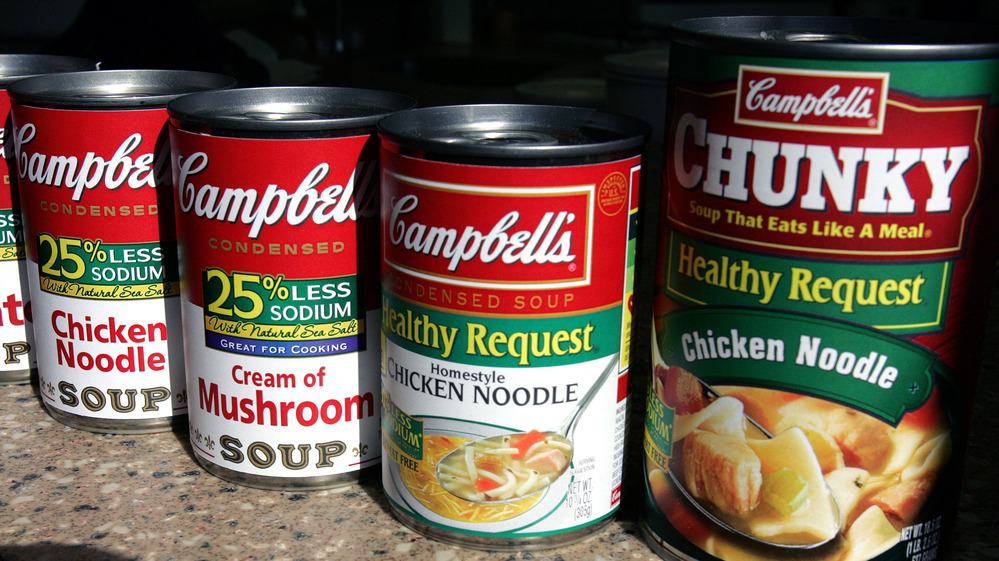
Food companies have begun quietly reducing salt in regular foods because low-salt items like these don't sell as well. Enlarge image i

Food companies have begun quietly reducing salt in regular foods because low-salt items like these don't sell as well.

Food companies have begun quietly reducing salt in regular foods because low-salt items like these don't sell as well.

Food companies have begun quietly reducing salt in regular foods because low-salt items like these don't sell as well.

Have you noticed, perhaps, that some of your store-bought salad dressings or spaghetti sauces taste a little less salty lately?

Probably not. The companies that make those products are doing their best to keep you from noticing. Yet many of them are, in fact, carrying out a giant salt-reduction experiment, either because they want to improve their customers' health or because they're worried that if they don't, the government might impose regulations that would compel more onerous salt reductions.

Todd Abraham, senior vice president for research and nutrition at Mondelez International, says the company is committed to reducing the amount of salt in its crackers and cookies. Mondelez, recently spun off from Kraft Foods, makes some of the country's best-known crackers and cookies, including Ritz crackers, Triscuits and Oreos.

"Sodium reduction is important to us because it's important to our consumers," he says.

Yet sodium reduction does not appear to be the most important thing to those consumers. It seems less important, for instance, than familiar taste.

Take Ritz crackers. Abraham has a couple of boxes of them on the table, right beside him. One is the original, standard version; the other is labeled "Hint of Salt; a low-sodium choice."

The "Hint of Salt" crackers have only a third as much salt as the originals. That's the good news. The bad news is, they don't sell nearly as well.

In fact, a label that says "low salt" actually seems to turn consumers away. "What we've found with consumers if you say something is 'low salt,' they'll immediately think it doesn't taste as good as the full-salt version," says Abraham.

So Mondelez is trying a different strategy. Over the past five to seven years, the company has been cutting salt from some of its top-selling products, but quietly, without telling anyone.

For instance, that box of original Ritz crackers: "It's reduced by probably 15 to 20 percent from where it was when we first introduced it to the market," Abraham says.

Many other big food companies are taking similar measures.

It's a complicated job, because salt is everywhere, and it's not just there for taste. Salt keeps some foods safe, because it kills bacteria. It helps bread turn brown while baking, and gives lunch meat just the right texture.

But the biggest obstacle to cutting out salt remains the fear that consumers won't like the change in taste and will switch to other products.

So companies are turning to a bag of magic tricks that make the salt sensors on our tongues think food is just as salty, even when there's less salt in it.

Like any magician, Abraham is a little cagey about the details. "We have some learnings and some knowledge that I can't talk much about: How you apply salt, at what particle size, where on the cracker surface," he says.

For instance, you can get by with less salt if you put it on the surface of a cracker instead of buried in the dough. Tiny salt crystals, or even hollow salt crystals, deliver more taste per gram of sodium than big crystals.

Also, it's possible to replace some salt with potassium chloride, the one substance that tastes a little bit similar. "Potassium is actually good for you," Abraham says, "so it's a good alternative, but if you put too much potassium in the product, it's going to start to taste very bitter."

Another trick: Sometimes, if you add more herbs and spices, consumers can't taste that there's less salt.

Douglas Balentine, the North America director of nutrition and health for Unilever which makes Ragu pasta sauce, Wish-Bone salad dressings and lots of soups says companies may be able to take advantage of something else that scientists have learned.

Basically, our sensitivity to salt seems to adapt when we eat less of it for a couple of months, the same way our eyes adjust when we step into a dimly lit room. "You should be able to gradually reduce salt levels in the product over the course of time in small steps, and when you gradually do that, consumers gradually get used to the taste of those products with less salt," he says.

But Balentine recalls one case in which his company tried to cut too much, too quickly. The product was a soup stock that it sells in Europe. "I think it was a 50 percent reduction in salt that we'd gotten to. We thought it was going to be OK, but then, over the course of six months, you saw sales drop significantly," he says. Sales of this product had been going up before the recipe was changed. "So we said, 'Oops, we have to stop now or maybe go up a little bit to a place where consumers say it's acceptable.' "

Balentine thinks that Unilever probably has gone as far as it can, for now. "We're going to have to wait a little bit for the consumer to adapt and get used to the new products," he says.

Eventually, though, Unilever wants to go further, reducing salt in its products to a level at which a consumer eating a normal diet would meet salt consumption targets 5 grams per day set by the World Health Organization.

Balentine doesn't think it will be possible to meet that goal just through consumers adapting to the taste of less salt. He thinks the food industry will need some new tools, such as novel food additives that will boost the impact, on our tongue's salt sensors, of each salt molecule.

Those new tools, which remain in the dreams of food scientists, would deliver more salt taste with less sodium.


@Kokken A food blog dedicated to my experiments in the kitchen ... Pizazz In Easy Everyday Recipes ... Things havent been that great lately. My father had a fall a couple of weeks ago and hurt his spinal chord. Ran Prieur Ran Prieur "The bigger you build the bonfire, the more darkness is revealed." - Terence McKenna Breitbart News: Big Journalism Debunking the spin and narratives from the Democrat-media complex, and ripping the lid off faux media objectivity. Big Myrtle's Tea Shoppe and Egg Emporium Backyard chickens, and a cute little microfarm in the middle of the city. How To Make Your Own Laundry Detergent And Save Big Money ... Welcome to The Simple Dollar! If this is your first time visiting the site, read my story and my key simple ideas for improving your finances and your life. Channel 4 Food - Food shows, recipes, tips and top chefs ... Welcome to 4Food from Channel 4. Get all the best recipes from Channel 4's chefs; including Jamie Oliver, Gordon Ramsay and Hugh Fearnley Whittingstall. Plus, loads ... Science Experiments A SCIENCE EXPERIMENT is usually more involved and in most real experiments you compare results. An example would be "What fertilizer works best on plants?" FREE ENERGY ENVIRONMENT EXPERIMENTS 4 KIDS outdoor survival activities for kids, oceanography outdoor learning activities for middle school kids, outdoor activities for children 8 - 13, how to make a kite from ... barfblog safe food from farm to fork My favorite food safety-related app is Poop the World its a bit like playing Tony Hawk Pro Skater with, uh, poops. The opening screen says, Get started! NATURAL Red Velvet Cake The Big Bake Theory Remember my post on Red Velvet Cake and how I said I was experimenting to make my natural red velvet cake taste less like beets? Well, Ive done it